Portfolio: 2.3 & 4.3
2.3 Sources further information developing&/or collecting resources for literacy and numeracy teaching and learning.
4.3 shows recognition of your own potential projections noting ways to overcome them.
After reading understanding stories: Simple to More Difficult – Talking Literacy Project, Department of Education & Children’s Services, 2008 (downloaded DECD website 15 November 2013) I decided to make up a chart and categorise some key reads for young children o to 5 supporting Numeracy, Literacy, Social and Scientific & Environmental development.
Texts supporting scientific & environmental
conceptual development
|
Texts supporting literacy conceptual development
|
Texts supporting numeracy conceptual development
|
Texts supporting social conceptual development
|
Age
appropriate
|
Tiger –Nick Butterworth
-Animal
behaviour & characteristics
|
All
|
0 - 3
|
||
I went walking –Sue Machin
-Animal
behaviour & characteristics
|
B
|
I went walking –Sue Machin
-colour
|
0 - 3
|
|
Noisy farm- Rod Campbell
-Farm
animals
|
O
|
0 - 3
|
||
O
|
Dog in, Cat out – Rubinstein & James
-spatial
concepts (in & out)
|
0 - 3
|
||
K
|
Where is the green sheep? M Fox
-size, colour &
shape
|
Where is the green sheep? M Fox
-feelings &
emotions
|
0-5 Years
|
|
S
|
Sunshine & Moonlight – J Ormerod
-time
& sequencing
|
Sunshine & Moonlight – J Ormerod
-family routines
|
2 - 4
|
|
Jaspers beanstalk – N Butterworth & M Inkpen
Propagation & planting
|
Develop
|
Jaspers Beanstalk – N Butterworth & M Inkpen
-Size & growth
|
Pre –
School
|
|
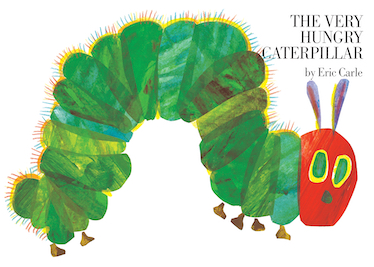
The Hungry Caterpillar –E Carle
-sequence of
growing & life-cycle
|
The Hungry Caterpillar –E Carle
-size,
days of the week
|
2 - 4
|
||
L
|
Handa’s Surprise- E Browne
-subtraction to 7
-capacity
(full & empty)
- sequencing
|
Handa’s surprise- E Browne
-stealing
|
3 - 4
|
|
I
|
Ten in the bed – P Dale
-subtraction
to 10
|
2 - 4
|
||
Diary of a Wombat –J French
Animal behaviour &
characteristics
|
T
|
Diary of a Wombat –J French
-Time,
days, sequence
|
3 - 4
|
|
Who sank the boat? P
Allen
-floating
& sinking
|
E
|
Who sank the boat? P Allen
-
Weight
-
Balance
|
2 - 4
|
|
*****Big Rain Coming – K Gerrein
-drought,
conservation
|
R
|
Big Rain Coming – K Gerrein
-days of
the week, sequencing
|
2 - 4
|
|
The Rainbow Fish -
M Pfister
-marine
life
|
A
|
The Rainbow Fish
-
M
Pfister
Depth
|
The Rainbow Fish
-
M
Pfister
|
2 and up
|
C
|
Washing line – J
Alborough
-Size
& shape
|
0 -3
|
||
Y
|
Mum & Dad make me laugh –Nick Sharratt
-shapes
& patterns
|
0 - 3
|
||
C
|
Tough Boris –M Fox
-feelings
& empathy
|
0 - 3
|
||
Y
|
The Rainbow Fish
-
M
Pfister
Counting
|
2 and up
|
Children’s natural interest in books promotes and extends Numeracy and Literacy development.
Who sank the boat? P Allen: Focus on interesting aspects in the text:
• Comment about the pictures in the story
Who sank the boat?
Which animal do you think is going to sink the boat, could it be a small animal or a large animal?
• Comments can relate to the child’s experiences. Have you ever been in a boat? Do you like to go fishing? • Comments can also serve to teach word meaning. Does your family like going to the beach. Isn’t the ocean big, do you think there are lots of fish in the ocean? Can you think about what other creatures in the ocean?
• Expand on child’s comments. Fish swimming? Yes the fish is swimming in the ocean.
A key to a successful read-aloud is in selecting books that will bring pleasure to both the child and the adult. In order to reap the benefits of reading with a child, it is important that parents and caregivers know what books are available, and what topics interest the child. Parents' and teachers observations of the child while sharing a book can bring helpful information to future book selections.
The earliest start to reading stories to babies is beneficial. I have added a link to show a successful reading session with a baby and how early stories can be read to children.
(also in my portfolio)


Cathy Stanbury.
http://www.youtube.com/watch?v=Ocxfcr10n40&feature=player_embedded
http://cathysportfolio.blogspot.com.au Reference Understanding Stories: Simple to More Difficult – Talking Literacy Project, Department of Education & Children’s Services, 2008 (downloaded DECD website 15 November 2013)

No comments:
Post a Comment